Hemmed in by Hermine

img_2160
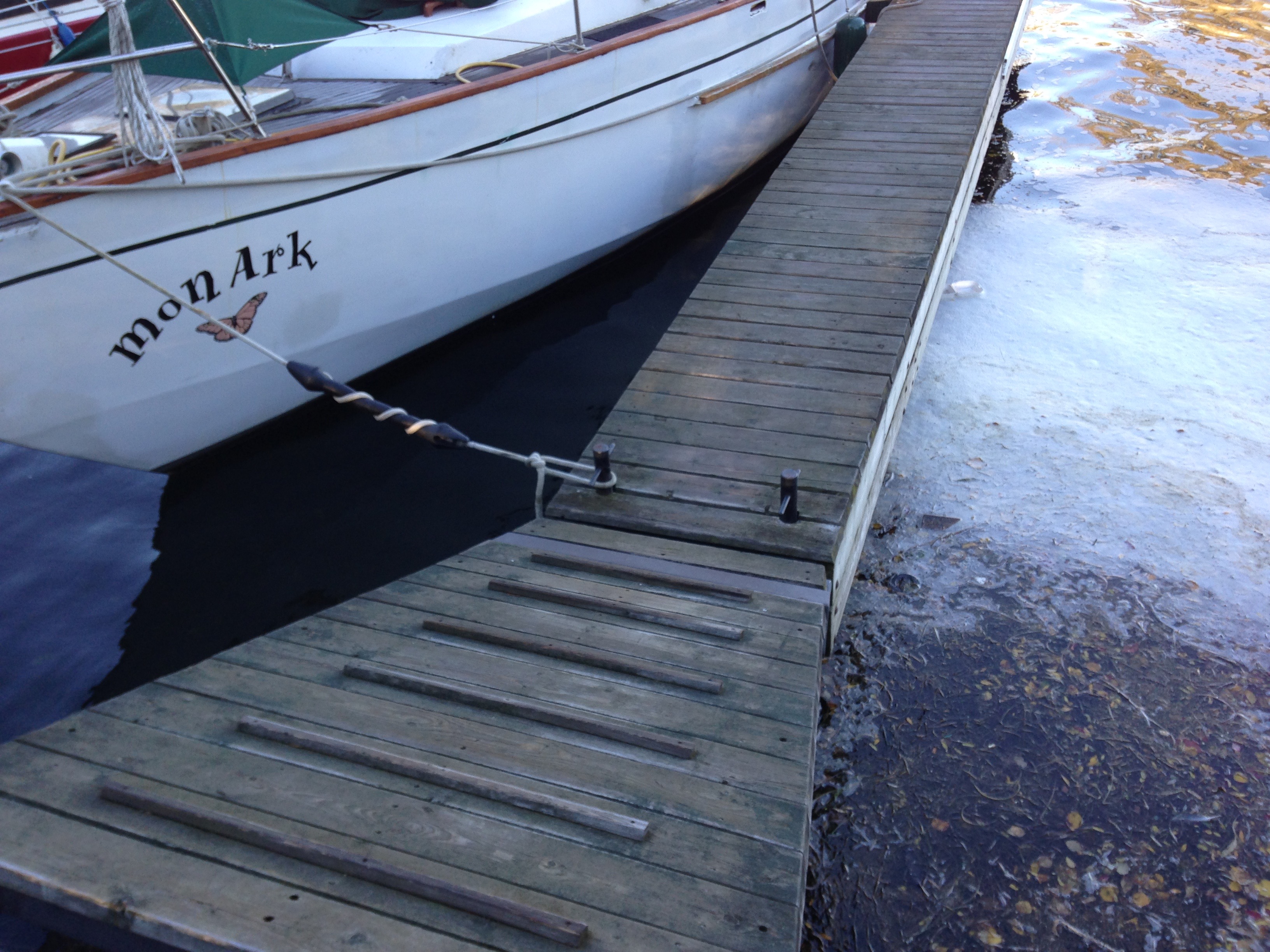
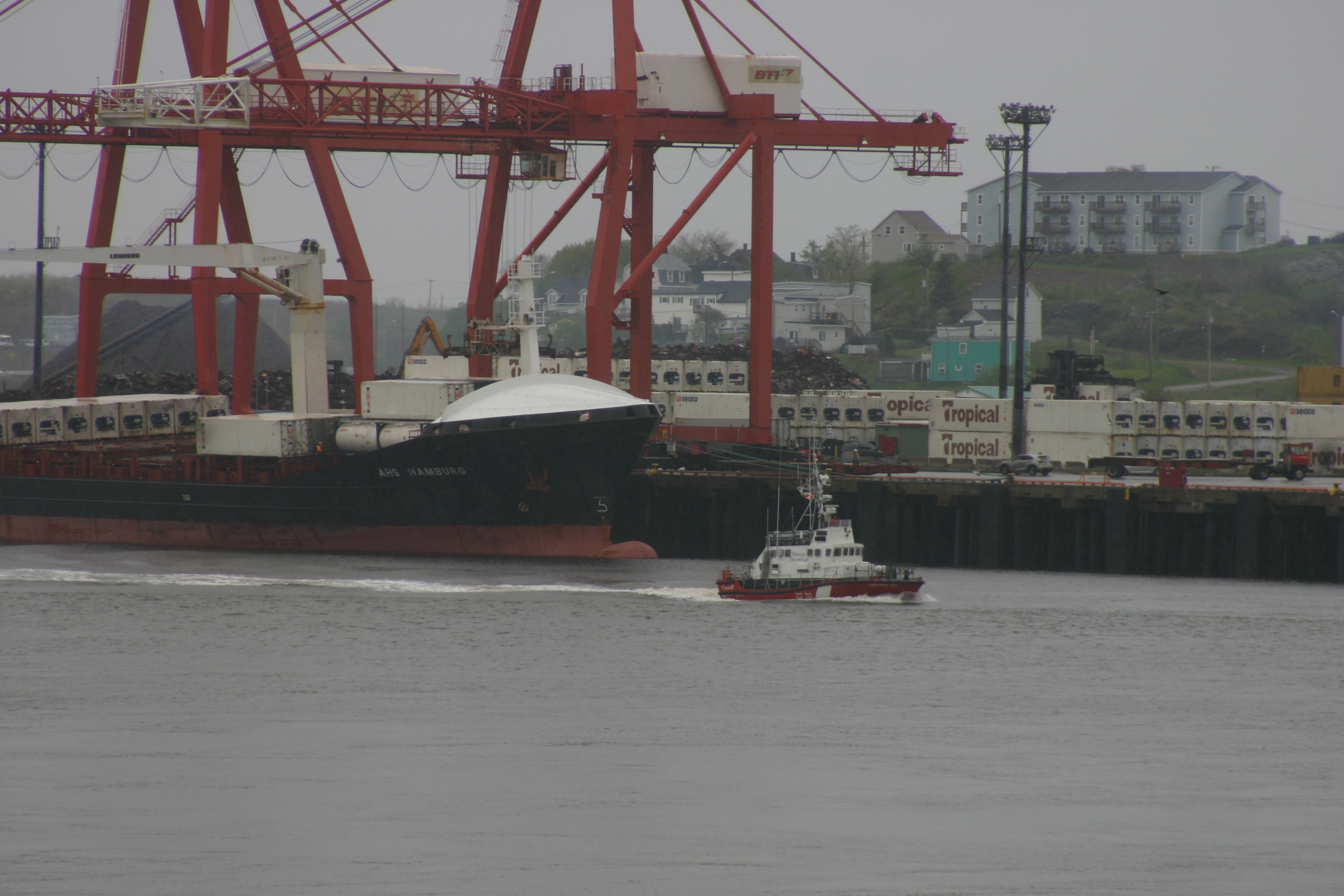
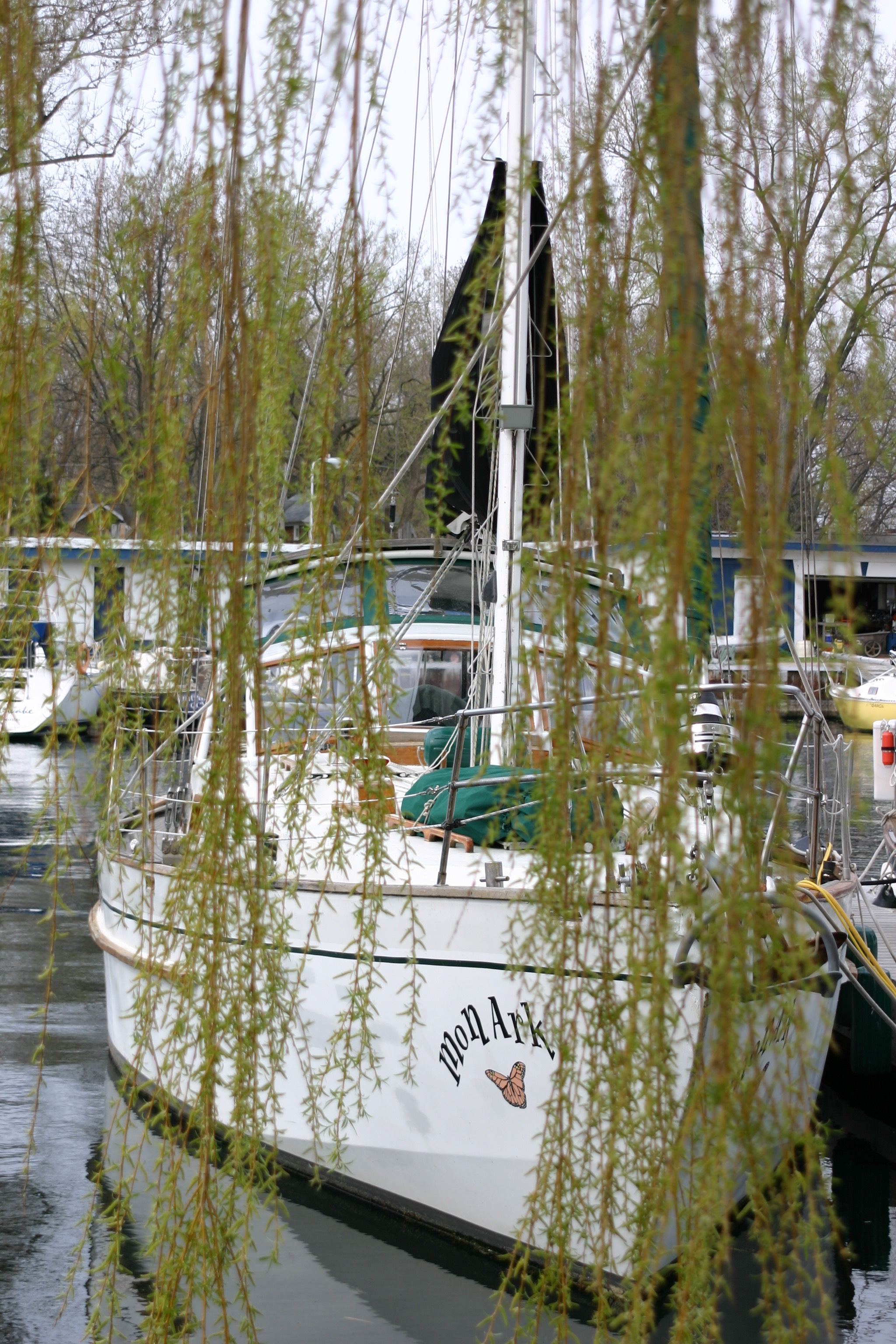
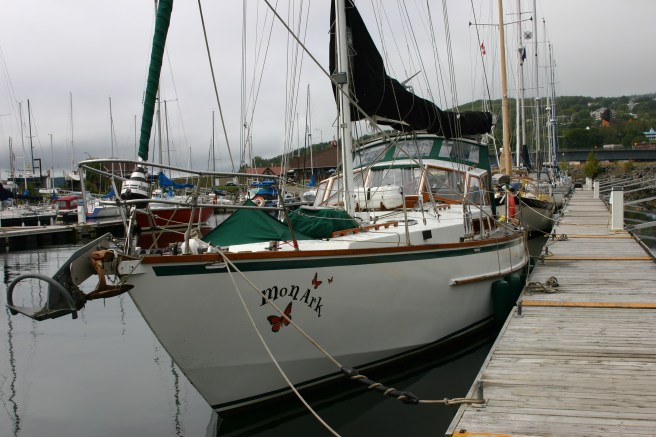
Securely tied to the dock in Gaspé.

We’re not the only sailboat spending a lot more time in Gaspé than we intended. We’re lined up along the breakwall, been here for almost a week. And we won’t be leaving any time soon.

Hurricane Hermine, now downgraded to an extratropical storm, whatever that means, has set off across the ocean to the UK, where it plans to spend the weekend. But it has left messy weather in its wake. Each morning, we study the forecast as we sip our coffee, looking for an eight-hour window to make the short trip down the coast to Newport, where we’ve made arrangements to pull the boat for the winter.

Yes, Newport, Quebec (despite its English name), not Sydney, Nova Scotia. We’re out of time. Chris has to get back to work, and I have yet another draft of my book to get working on.
img_2140
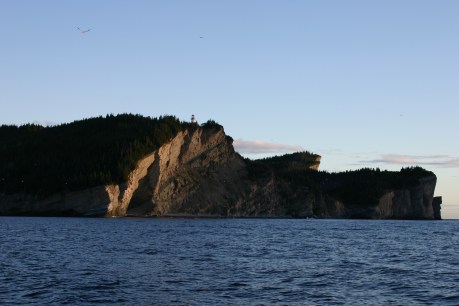
Rounding the tip of the Gaspé peninsula. This is pretty much the last time we saw the sun.

When we realized we weren’t going to make it to Sydney, we did an overnight sail to Gaspé, a great place to leave your boat for the winter, we had heard. But the 12-ton travel lift here is too small. We weigh 20 tons.

Try Rivière au Renard, we were told. So we rented a car and drove across the Gaspé peninsula to the biggest fishing harbour in Quebec. A very nice man named Pascal tried to help us. He showed us into his office, at the back of a workshop, the floor swept clean, tools hung neatly on the wall. This looked promising.

“We can lift 300 tons,” he said proudly. “And here is a cradle you can use.”

But when we showed him a picture of our boat in slings, he shook his head. The full keel won’t work in a big travel lift. You can’t grab our boat by the belly, you have to pick it up by the keel. There would be too much danger of the boat falling over. Désolé.

We were starting to feel like the three little bears. Too big. Too small. We needed a travel lift that was just right.
img_2689
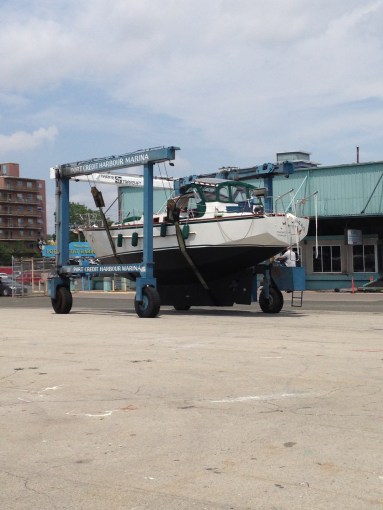
MonArk in the travel lift at Port Credit.

Our next stop was the marine railway just up the road from the Gaspé marina. Because they move boats up an incline rather than lifting them in the air, they can pretty much handle any size or shape of boat. And they had lots of room for winter storage. Perfect, no?

No. The minimum charge to use the railway is $5,000. But of course that includes winter storage, the nice man told us. I eyed the leather chairs in his office, the Keurig coffee maker, the darling little espresso cups. Back to fishing harbours for us.

The next day, we packed a lunch and made the long drive to Newport, along the Atlantic coast of Quebec, just north of the New Brunswick border. The scenery along the coast was stunning. We had seen pictures of Percé, which we passed on the way, but pictures don’t capture the sheer size of the rock. It’s enormous. Of course we stopped and took a picture.

img_2149

The fishing harbour isn’t really in the town of Newport, which isn’t really a town anyway, though there is a small garage and a dépanneur beside the highway. The harbour is north of Newport, in the middle of nowhere, really. It has a wharf where fishing boats tie up, a small floating dock suitable for powerboats, but it turns out it does have a travel lift that’s just right for us.

We parked the car in a dusty gravel lot and wandered around until we found what looked like the office. Two fishermen and a very skinny, nervous woman were sitting around a picnic table, smoking furiously and drinking coffee from paper cups.

“Bonjour,” I began hesitantly. “Nous avons une bateau à voile à quarante-trois pieds et  nous cherchons une place pour l’hiver.”

One of the men answered me in English, as often happens when I try to speak French.

“How heavy?”

“Twenty tons.”

“Not a problem.”

He turned to his companions and a long and animated discussion ensued. It seemed to centre around the question of whether or not they had space to store us. The woman kept eyeing us suspiciously, then finally burst out—in French, not realizing that although my spoken French leaves much to be desired, I can understand French pretty well—“But they are English!”

The men overruled her—they could pull us out of the water next week. Done deal.
img_2867
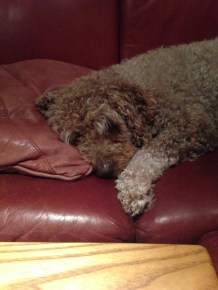
Bica doesn’t really mind being hemmed in.

So it’s all settled. As soon as the seas in the gulf calm a little, we’ll sail to Newport, and with any luck we’ll have the boat settled in for the winter by the end of next week.

The marine weather is calling for southeast winds tomorrow (we’re travelling south.) Sunday, southwest again, 25 to 30 knots. Monday the winds go northwest briefly, gusting to 35 knots (that’s 70 miles an hour), then Tuesday, back to southwest 25. Showers. Fog patches. Big seas in the gulf.

Come on, Hermine. Enough already.

So long Rimouski

IMG_2819This morning we are motoring relentlessly towards Gaspé, over perfectly flat seas. We spent the last two nights in Rimouski, a place neither of us ever really wanted to visit, waiting out big winds and even bigger seas. A sailboat set out yesterday morning to cross the river and came right back.
“It’s bad out there,” the woman told us, her eyes wide, her grey hair pretty much standing on end.

We decided to stay a second night. Which gave Chris a chance to make not one but two trips to the great big Canadian Tire just a 20-minute walk away. Can’t remember the last time I’ve seen him this happy.

It’s been a long, slow trip down the St. Lawrence, plagued with electrical and mechanical and plumbing problems. We were forced to stop in Salaberry de Valleyfield just outside Montreal for a couple days while we had a new strainer for our cooling system couriered to us, and in Quebec City, Chris rebuilt the drive coupling, which was just hanging on by a thread, installed a new Y-valve in the head, tightened the fittings on the heat exchanger—you don’t want to hear the whole list, believe me.

I spent the time in Quebec City a little more pleasantly. I visited the farmer’s market in the old city every day—blueberries! strawberries! oh, the cheeses!—and did the wash, did a little boat cleaning (like house cleaning only you bump your head and your elbows a lot more.)

The stretch of the river between just before Montreal and after Quebec City is just as tricky as I had remembered. There’s no way a boat like ours can run against 7-knot currents (our top speed under motor is 5 knots), so it took careful planning to get from one safe harbour to another while the current was running with us. We managed, for the most part, though one memorable night the anchorage we were planning to stop at at Ile aux Coudres was untenable—there were (unforecasted) 25-knot winds blowing off the land and straight into the anchorage, so we had to carry on to the nearest harbour of refuge, a tiny place called Cap a l’aigle, which we had no choice but to enter in the pitch dark. Not something we want to do again any time soon.

IMG_2075

IMG_2079

But we’re pretty much out of the big currents now that we’re past Rumouski, and there’s lots of room her for both us and the huge ships we’ve been sharing the seaway with since we entered the river just past Kingston. This is the kind of sailing we’re used to. Long distances and lots of sea room. Unfortunately we’re heading into an area of big winds in the gulf. And big seas—the waves are 5 metres today. Gulp!

Let’s see if we remember how to sail this boat.

I used to could

This morning I loaded Bica into her bike cart (how things have changed since I last posted here) and took her over to the beach so she could go for a walk on the packed sand, maybe chase her ball a bit. Bica is increasingly losing track of her hind legs, can’t walk far without tripping herself up, falls down if she turns too sharply. But she still likes to chase her ball. A bit. After a few tosses, she stops chasing it, just looks at it. Looks at me. I don’t do it no more, her eyes seem to say. But I used to could.

Then she barks for me to bring it to her. Which of course I do.

IMG_2514
Our winter home on Toronto Island.

I see I haven’t written here since November. In truth, it didn’t feel right to be posting on a site called Liveaboard when in fact I’ve been living in extreme comfort in a beautiful cottage on Algonquin Island. But we’ve started working on the boat, now that it’s warmed up some, so it seems okay to get back to this blog.

On weekends and some days after work, we drive to Port Credit, lean a stepladder against the boat, climb up and unzip the little door in the plastic cover, and squeeze aboard. I found our first visit somewhat distressing. Though the temperature had risen above freezing and it was a sunny day, the boat was still cold and damp below deck, smelled strongly of antifreeze and yes, of diesel fuel, a little. We’d left the bilges open to air out so had to step carefully at first. I closed them, then began to reassemble things—I put the cushions back on the settees, put the table back together.

Unfortunately, Chris was taking things apart as quickly as I could put them together. He propped up the bed in the rear stateroom so he could get a look at the steering mechanism, removed half the wall in the galley so he could get at the batteries, pulled off a panel in the salon so he could access the wires running up to the mast. Tool sprouted everywhere—pliers, wrenches, screwdrivers. Little piles of bolts and washers began to appear. Then the power tools came out.

But I didn’t really mind. It’s been a long time since I’ve seen him that happy.

Actually, we’re both pretty happy these days. Chris is taking some time off this summer, and we’re planning to sail out the St. Lawrence. I wonder, sometimes, if I even remember how to sail. We spent almost all of last summer tied to a dock. And I’ll admit that the prospect of sailing out the St. Lawrence is a little daunting to me. The currents are fierce and weird and once we’re past Quebec City we’ll be dealing with tides as well. Oh, and did I mention that in many parts of the waterway we will be sharing a narrow channel with huge ships? Not to mention the locks…

I used to could, I have to keep reminding myself.

IMG_1732
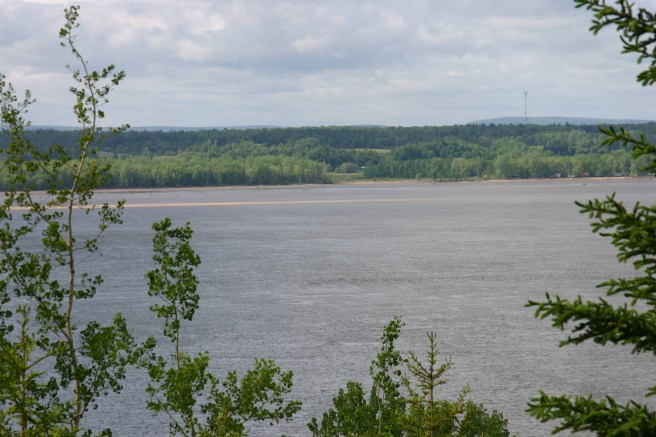
The mighty St. Lawrence. Note the shoals near the far shore.

There we aren’t

there we aren't

Every morning, as I cross the bridge from Algonquin Island on my way to the beach with Bica, I look up the lagoon to where we were moored all summer and there we aren’t. In fact, the lagoon is empty. Everyone has either pulled their boat out of the water or moved to winter moorings on the mainland.

But we have done neither. Yet. A couple of weeks ago we sailed the boat to Port Credit, tied it securely (we hope) in a slip, and walked away. We’re pulling the boat this winter, for the first time in I can’t even figure out how many years. Five? Six? Maybe more. We’re both feeling a little trepidation about the state of our bottom (the boat’s bottom, just to be clear), wondering if a whole ecosystem has established itself there. We’ll find out.

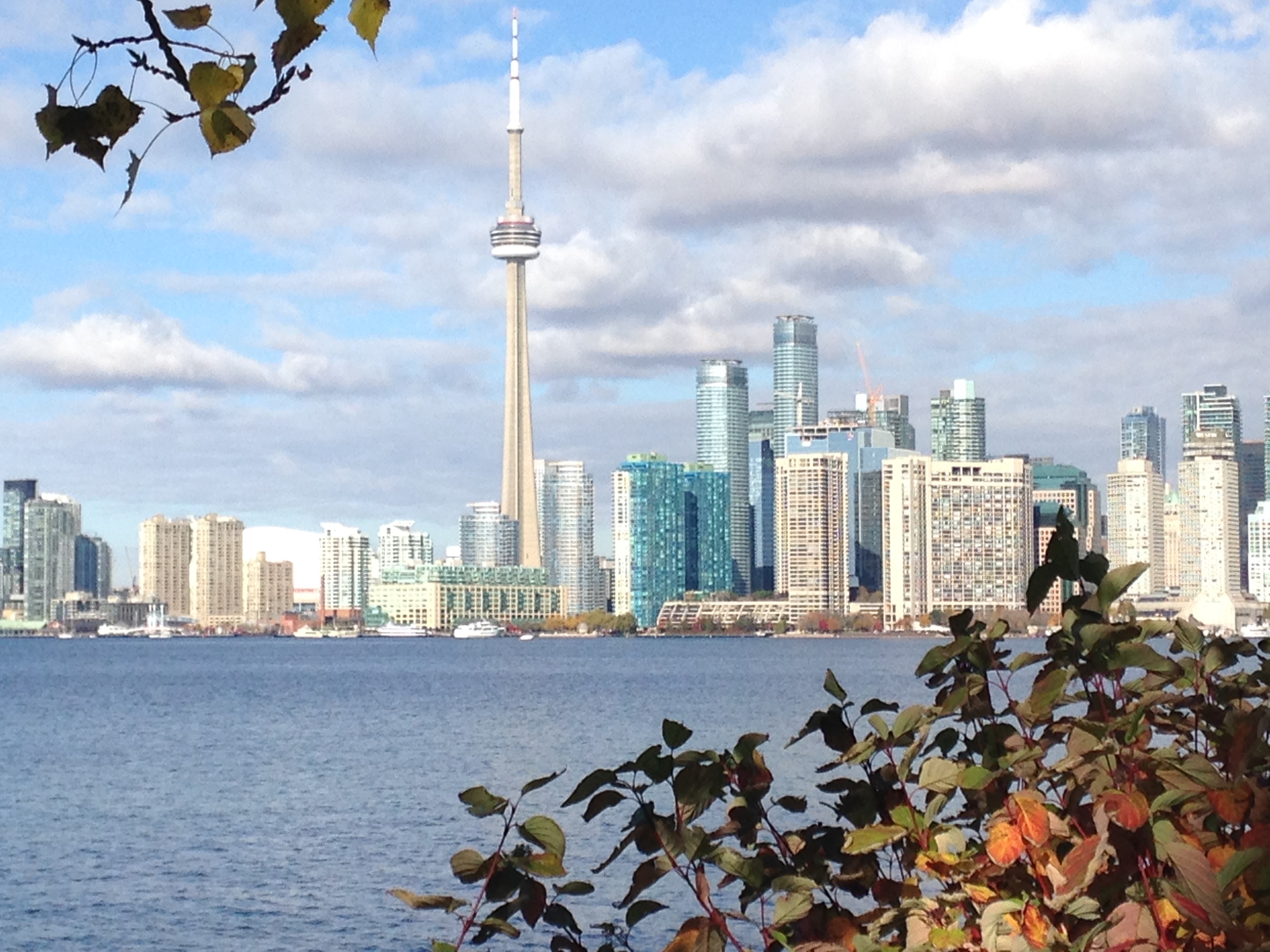
So how is it Bica and I are still walking to the beach every morning, you may wonder? Well, we have rented a cottage on the island for the winter, a snug, beautiful little place looking across the harbour to the city. This is the view from our front yard.

front door

We spend our evenings sitting in the tiny sunporch, watching the lights of the city, watching the CN Tower change colour every few minutes, watching airplanes pass between us and the skyscape, in their final approach to the island airport. Airplane TV, we call it. Chris, a pilot himself, worries about them. That guy’s too low, he’ll say. That guy is coming in too fast. But so far, all of them have made it.

dining room

In addition to a cosy sunporch, a snug living room, and a huge, modern kitchen, the cottage has a small dining room looking out on the harbour, where I write each day. So warm. So much light. If I don’t finish my heartbreaking work of staggering genius this winter, I’ll have no excuse.

But it feels very strange to be decommissioning the boat for the winter. It’s been our home these many years. Yesterday we spent the day packing up books and paint and varnish and cleaning supplies, things you really don’t want to freeze. We took down all the running rigging, the lines that control the sails, till the boat looked naked, then we took off the boom, set it on the deck. Now we’re just a boat with a bare mast sticking up, and that will come off next Thursday just before the boat goes into the TravelLift.

Sorry, I kept murmuring as we worked. You’ll be fine. We’ll be back in the spring.

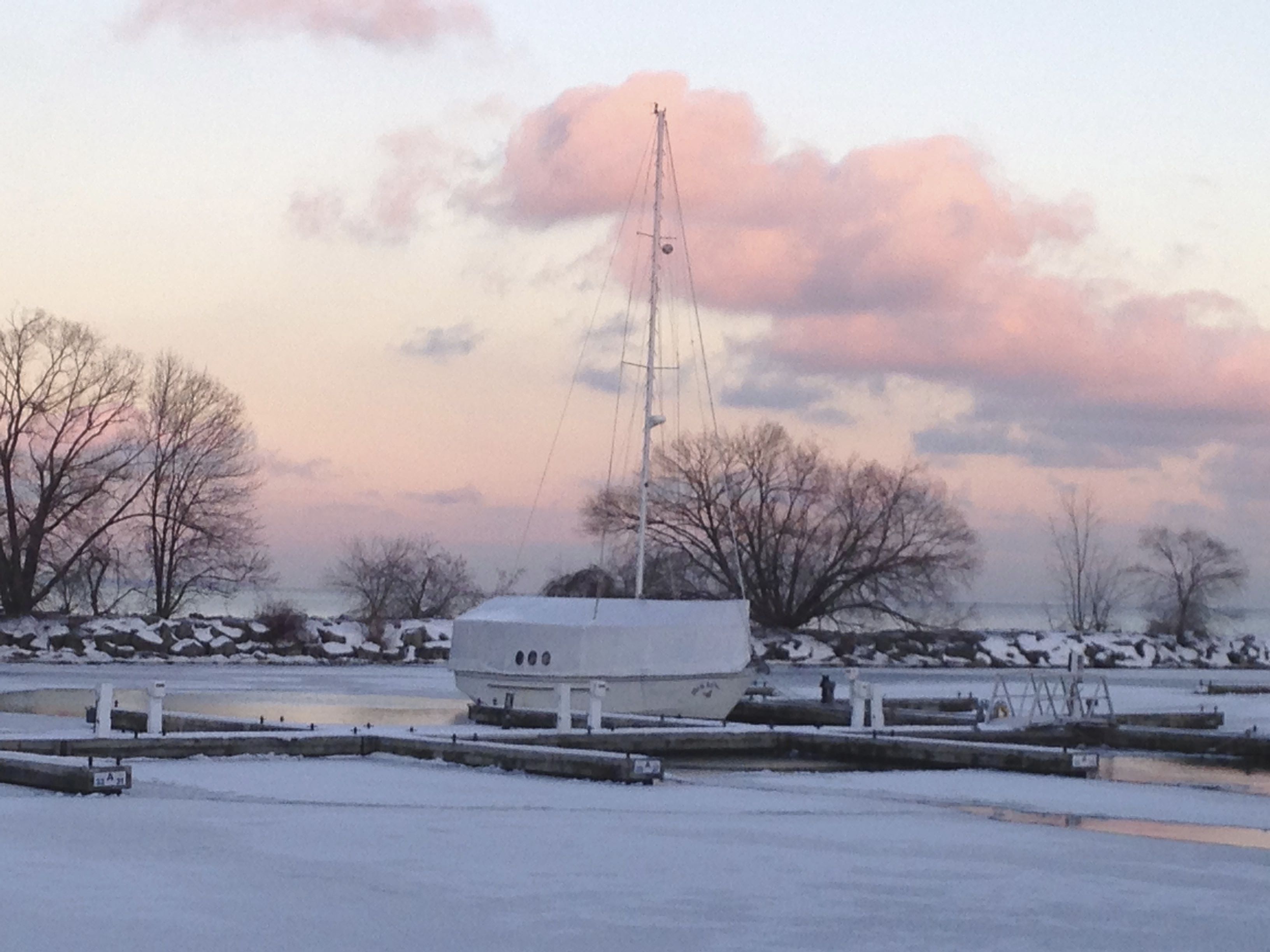
Winter at the dock

I won’t miss winter in the Port Credit marina. Here’s a picture, just to remind you (and me) of what it’s like. But I will be glad to get back to the boat in the spring. This time on land feels like an extended shore leave, albeit a very welcome one.

In my rambles around the island in the last couple of weeks, I’ve discovered that bittersweet grows wild here. It tumbles over stone walls along the boardwalk, climbs all over the shrubs along the path behind the fire hall, even pops through the carefully tended bushes along the waterfront. I’ve helped myself to a big bunch of it, arranged it in a jar on the counter in the kitchen.

Bitter and sweet in equal measure. Yes, that’s exactly right.

bittersweet

Time to go

IMG_2144It’s hard to get up when it’s still dark out. These mornings, it’s pitch black when we get out of bed and stumble around, getting Chris ready to catch the 6:45 ferry. We were running a bit late this morning, and in my haste, I managed to smash my finger when I opened the companionway for him. I knew it was bad, so I immediately iced it, but for some reason the pain made me feel faint, so I lay down on the settee. And started to cry.

Chris stood with one foot on the ladder, his satchel over his shoulder. Should he stay? Should he go?

“Go,” I said. “I’ll text you if I faint.”

I didn’t. After a good cry, I felt much better. About my finger anyway. I was still wondering how I would get Bica to shore. Yesterday’s big wind (we saw it hit 40 knots, which is about 80 kilometres per hour) has blown the water to the other side of the lake, dropping the water level here. The ramp to shore is at a seriously steep angle. Going up the ramp carrying Bica is bad. Coming down is worse. Especially with the waves bouncing the ramp and the dock and the boat around. And the last thing I want is to fall into the water with Bica in my arms, into the pool of leaves and scum and Styrofoam containers that the wind has blown in.

IMG_2189

I checked the temperature—7 degrees—and decided to dig out my toque and a pair of gloves. Or at least I thought they were a pair. Turns out they were both left-hand gloves so I had to wear one upside down. I put on my hoodie and a jacket, my good running shoes (they have the most tread), and stepped off the boat onto the bouncing dock. Bica wasn’t convinced that I could get here safely to shore, but I coaxed her into my arms and wobbled my way up the dock.

I made it, I’m happy to say. And obviously I made it back to the boat or I wouldn’t be writing here. But it wasn’t easy.

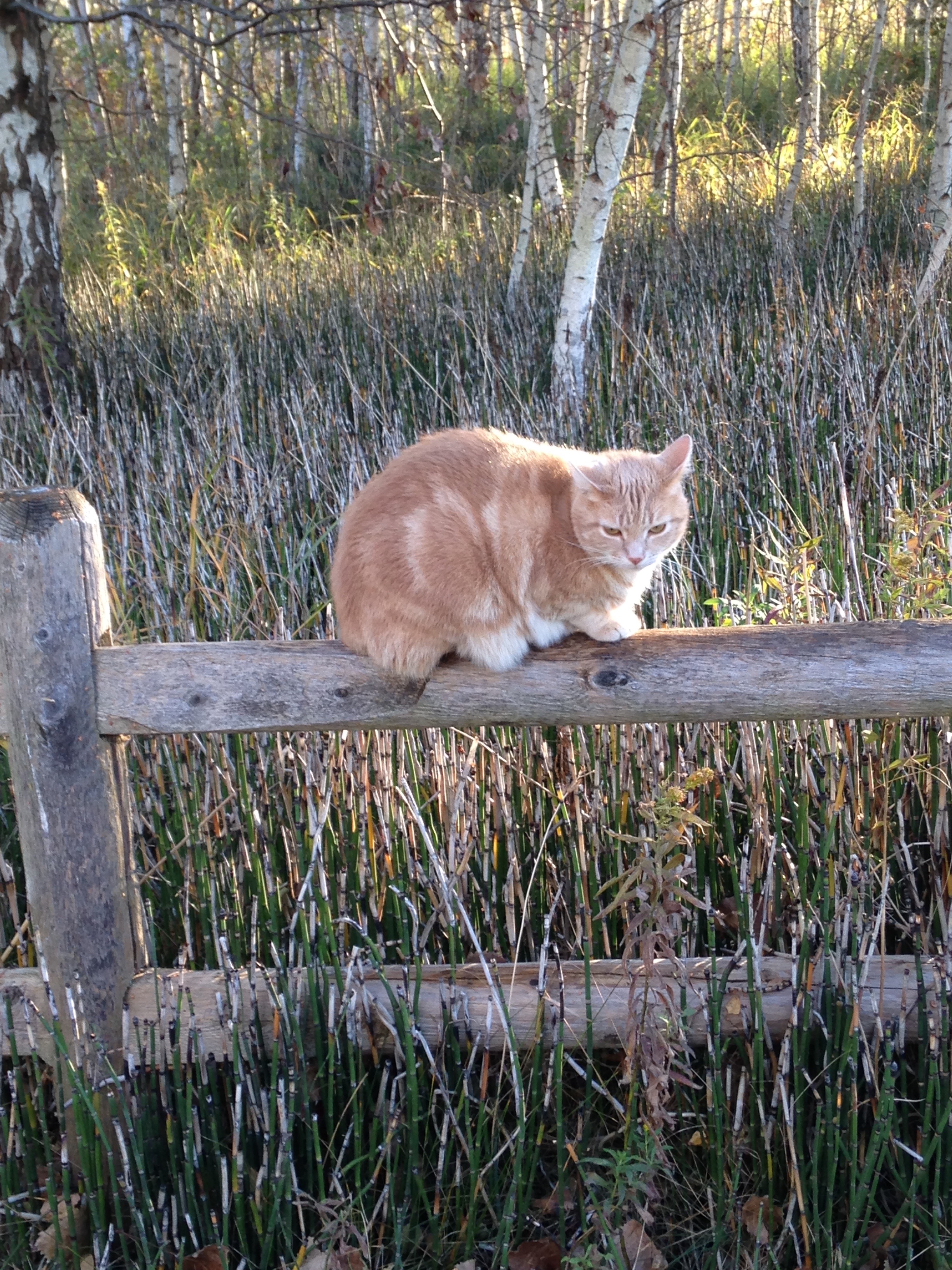
The beach was deserted again this morning, but I kept a sharp eye out as Bica romped along in front of me. Last week a coyote was spotted at the edge of the woods beside the beach, one eye on the red cat who sits on the fence every morning and the other on a squirrel. The cat was rescued by an intrepid islander. The squirrel, probably not so lucky. I think Bica is too big for a coyote to take, but I don’t want to find out.

IMG_2187 (1)

The beach was sheltered from the wind this morning, and the sun is still reasonably warm, so I was able to take off my mismatched gloves and throw the ball for Bica a little. But she was happy to just trot along beside me, the ball in her mouth. I guess swimming season is pretty much over.

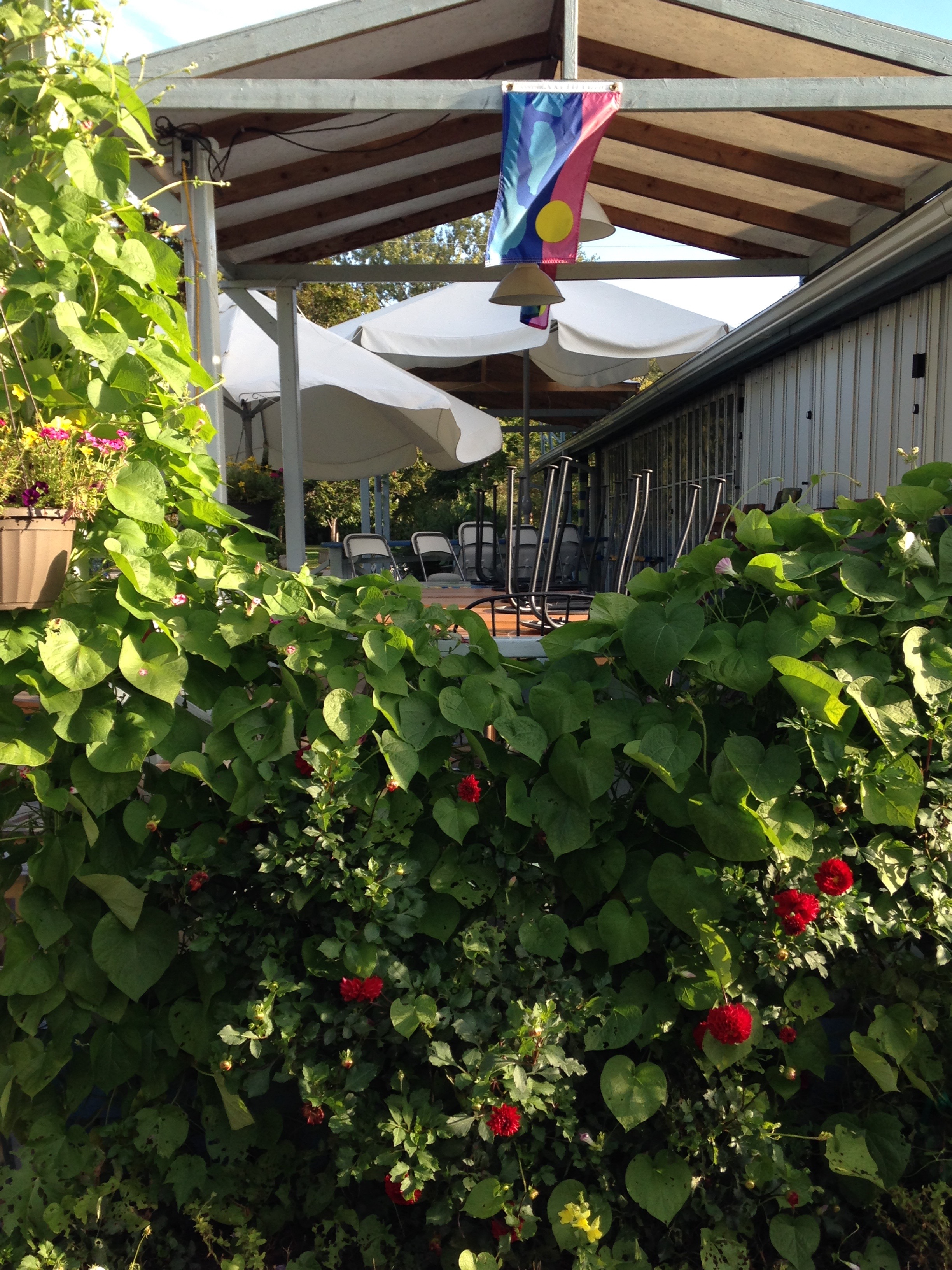
We took the long way back to the boat, said good morning to the red cat, wandered past the Island Café, closed now, as I’ve said. A sad sight. I sat on my favourite bench for a while, wishing I could go to the counter and order a large coffee and a pumpkin spice muffin. But that’s pretty much over now, too.

They say the secret to a long life is knowing when it’s time to go.

It’s time to go.

IMG_0661

So it goes

DSC_6002Three months and I haven’t written a word here. But that’s what summer is like when you live on a sailboat—on any given day I would rather be out walking around the island than sitting at my computer. Or sailing. Not that we do much of that.

Chris came home from work one afternoon in July with the news that he’d invited one of his colleagues to come sailing.

“What?”

“Next Wednesday.”

“You’re kidding.”

He wasn’t.

We hadn’t left the lagoon since we arrived in April, had been busy varnishing and installing the new heat exchanger and rigging the new car system on the mast and I can’t even remember what else. MonArk is a floating repair project, not a sailboat. What was he thinking?

Tuesday night, he finished repairing the exhaust manifold, came out of the engine room wiping his hands.

“All ready,” he said.

Not quite. Wednesday morning he headed off to work and I began the long process of turning our floating home back into a sailboat, stowing everything breakable, latching all the lockers.

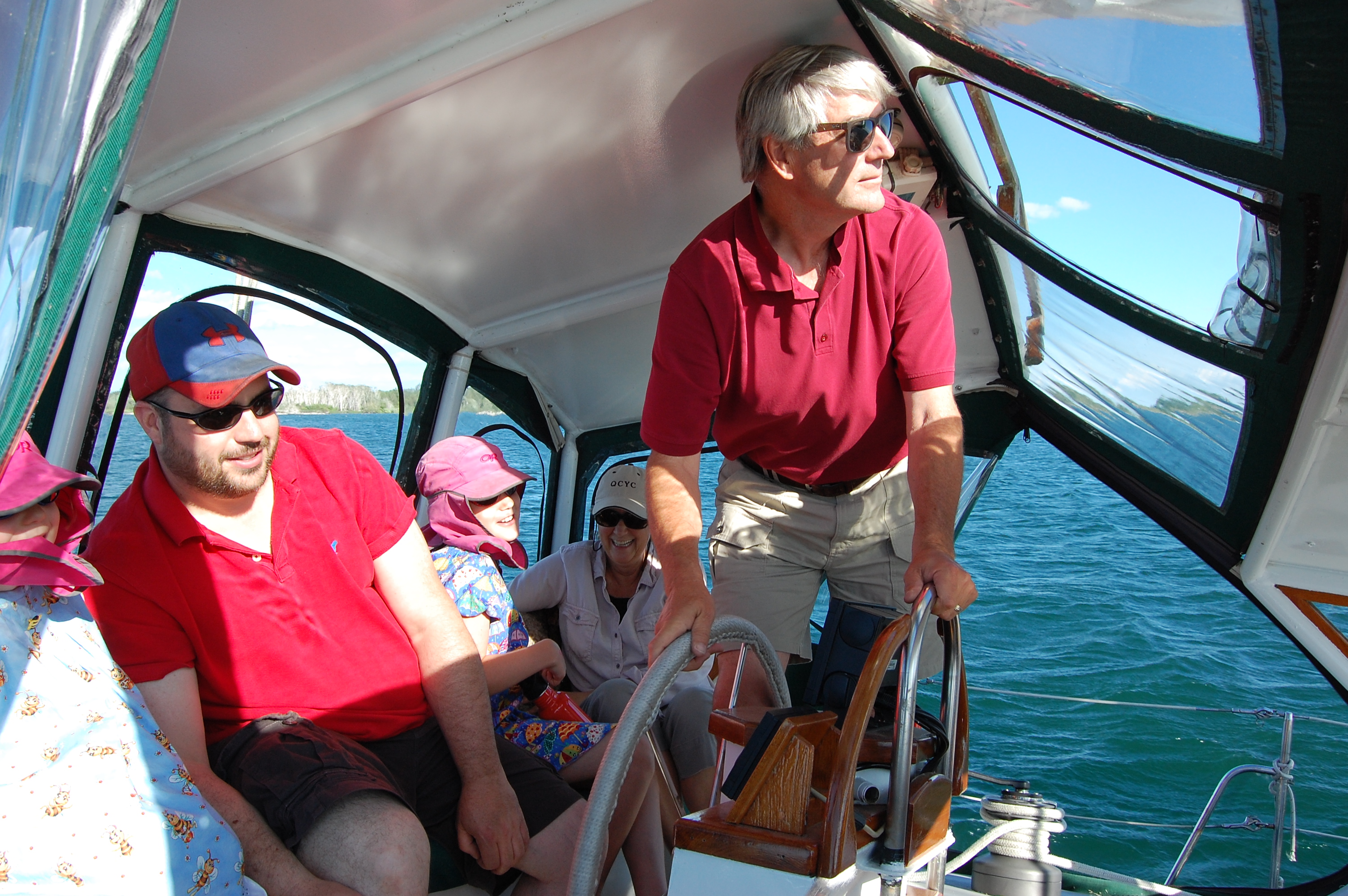
But it was worth the effort. Chris’s colleague and his wife have two absolutely charming little girls, who delighted in walking the gangplank to board the boat, something that gives most people pause, then asked politely for a tour. I showed them how to climb down the companionway ladder…and the questions began. How do you cook? Do you have a fridge? Where do you sleep? Where do you keep your clothes? Is there a toilet? And on and on. It was so much fun. We could hardly get them to come above deck so we could get going, they were so happy latching and unlatching the cupboards, and the toilet! Endlessly fascinating.

But we finally slipped our moorings and began motoring out of the harbour. We had just cleared the ferry dock when Chris said okay, let’s get the genoa out. Huh? We don’t usually sail in the inner harbour. Then he asked me to take the helm and I knew something wasn’t right. I surreptitiously checked the gauges while he went below. Sure enough, the engine was overheating.

DSC_6013So we switched it off and sailed out the cut. It was fine until we had to make the turn into the anchorage, heeling way over as we came across the wind. I thought the girls might be frightened, but they loved it, braced themselves and leaned into it, laughing.

Once the anchor was down, I made hamburgers while Chris made some discreet engine repairs. (We’d forgotten to top up the coolant after replacing the exhaust manifold.) We were able to motor back to our moorings before the sun set. We call that a successful sailing adventure.

Our only one this year, in fact. We’ve been off on a bit of a lark most of the summer—a Meadowlark, that is. But I’ll save that story for another day.

IMG_2163

Today, it’s a perfect fall day on the island, sunny, windy, sharply colder than it’s been. The leaves have started to turn, the beach is deserted again. When Bica and I came back from our morning swim (hers, not mine), I wrapped her in a big blanket to dry. Then I strolled over to the Island Café to get myself a coffee and maybe a delicious pumpkin spice muffin…but found it closed. Very sad.

And the surest sign of fall there is.

Life goes on

IMG_2024

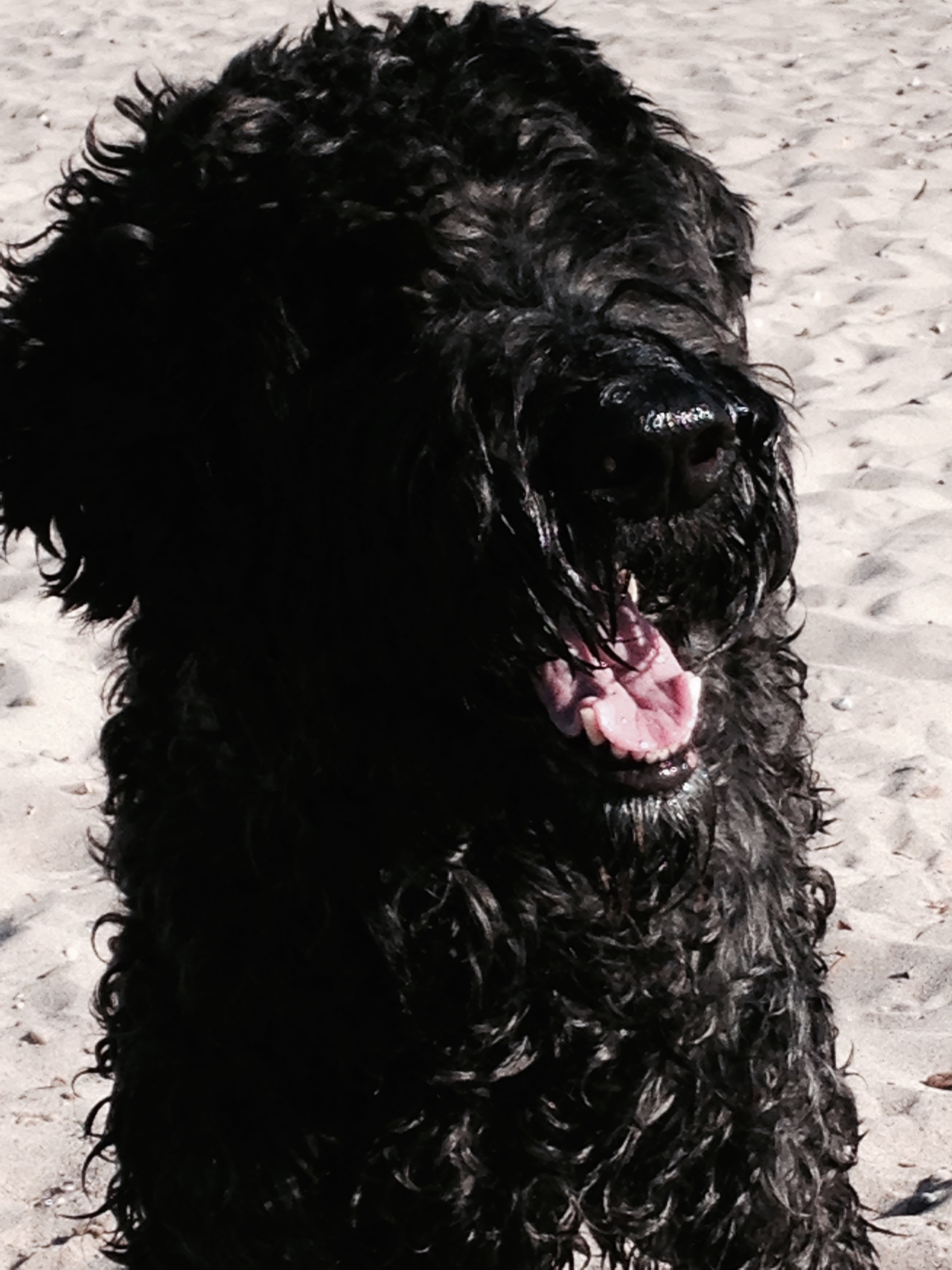
Monte ran up to me on the beach this morning, nuzzled my hand.

“He likes me!” I said to Dan. Then I remembered that I had a pocket full of liver bits.

Monte is so much thinner than he was, I can feel the bones of his skull when I pat his head. I offer him a liver bit, which he accepts graciously. Monty is such a gentleman.

“How was his night?” I ask Dan.

“Pretty good. But yesterday was bad.”

When I first met Monte, a big black standard poodle/giant schnauzer cross, he was a magnificent, muscular mass of black curls. He’s still magnificent, though he’s quite a bit thinner now, and tires easily. Dan and I watch him as he digs a big hole in the beach. And believe me, a dog as big as Monte–short for Montenegro, which means black mountain–can dig a really big hole. He stops to rest every now and then, sits and admires his handiwork (there’s no word for paw work that I know of.) When the hole is deep enough, he rolls into it, lies on his back and barks.

“What’s that about?” I ask Dan.

“He’s happy.”

At first Dan thought Monte had something wrong with his spine, like Bica does. It was Dan who suggested that I take Bica to a chiropractor. It seemed to be helping Monte move more freely. But next time I saw the two of them, Dan told me that he’d stopped going to the chiropractor. Monte has liver cancer. But you wouldn’t know it, watching him roll in the sand.

Yesterday was singalong day at the Sunshine Centre for Seniors across from road from where our boat is moored. All afternoon I could hear strains of songs my mom and dad used to sing, to my great embarrassment.

Oh my darling, oh my darling, oh my DARLING Clementine
You are lost and gone forever. Dreadful sorry, Clementine

But I don’t think I’d find it embarrassing now. I keep thinking how much dad would have liked bringing mom to the island for a day of song, sun, sausage on a bun. I picture mom sitting in her wheelchair, wearing her big red sun hat and for sure her brightest red lipstick. Dad stands behind her, in his loose fitting summer clothes and Tilly hat, one hand on her shoulder. They’re both singing loudly.

How much is that doggie in the window?

IMG_1626

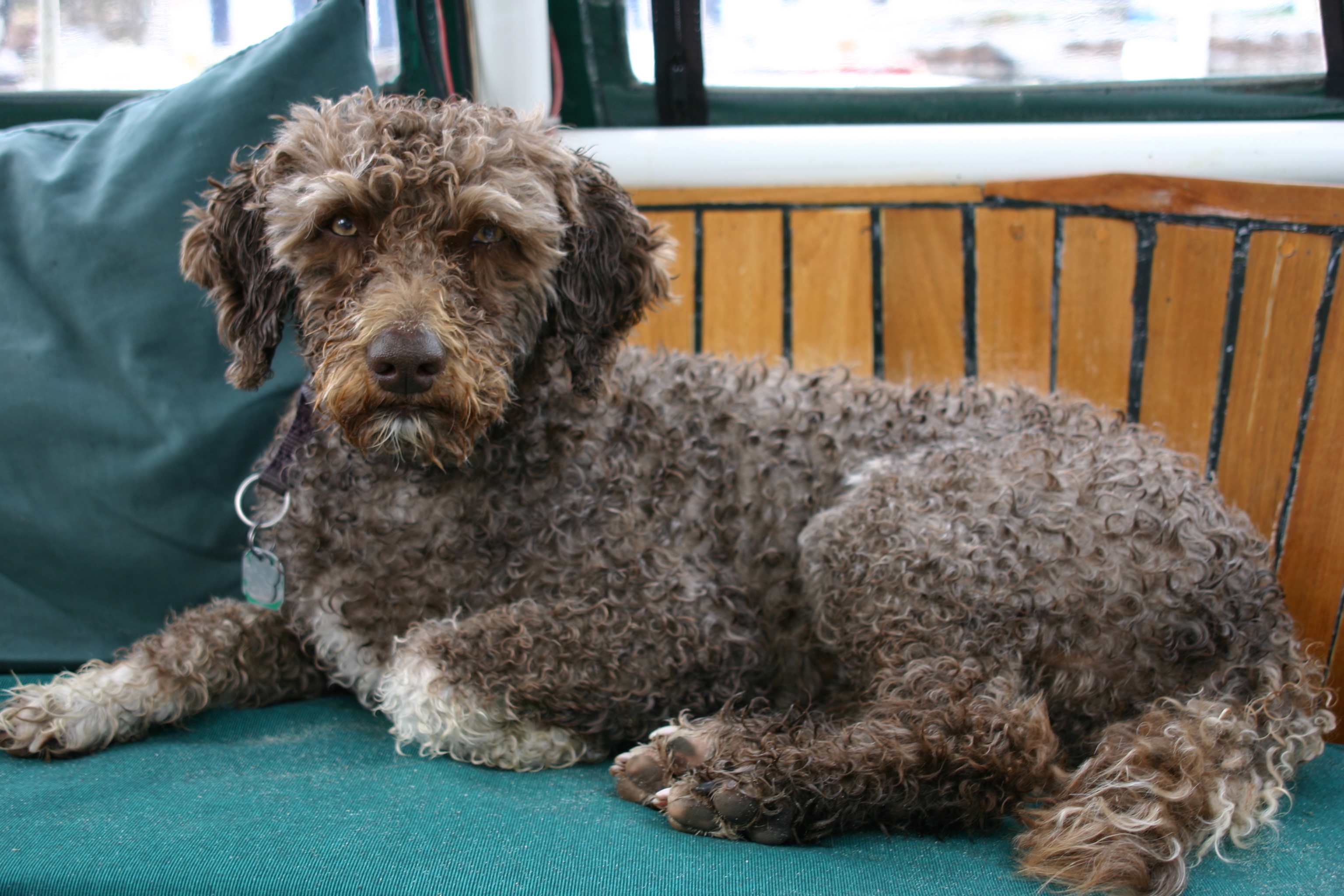
The seniors break into a chorus of barks, which just confuses Bica. She looks up from her comfortable spot on the cockpit bench. Is that a pack of dogs? Should I bark? Sounds like there are a lot of them. Maybe I should just be really quiet…

Always, always, they end the afternoon with the same song.

Ob-la-di, ob-la-da life goes on hey!
La la la la life goes on

Life does go on. The sun is shining. There’s a nice cool breeze this morning. Bica falls over a lot now, but she can still make it to the beach, and once she’s there, she romps like a puppy in the sand, plunges into the water after her ball.

And Monte is having a good day. It just doesn’t get any better than this.

Dry run

IMG_1812

As I write this, a huge container ship that came in sometime in the night is being unloaded across the harbour. A small fishing boat is passing below my window. Has he been out all night in the cold and rain? I hope not. I watch the water swirling in his wake. The tide is coming in, I think—yep, just checked the charts, high tide is at noon, all 24 feet of it. As you may have guessed, I’m not on Toronto Island this morning. I’m in Saint John, New Brunswick.

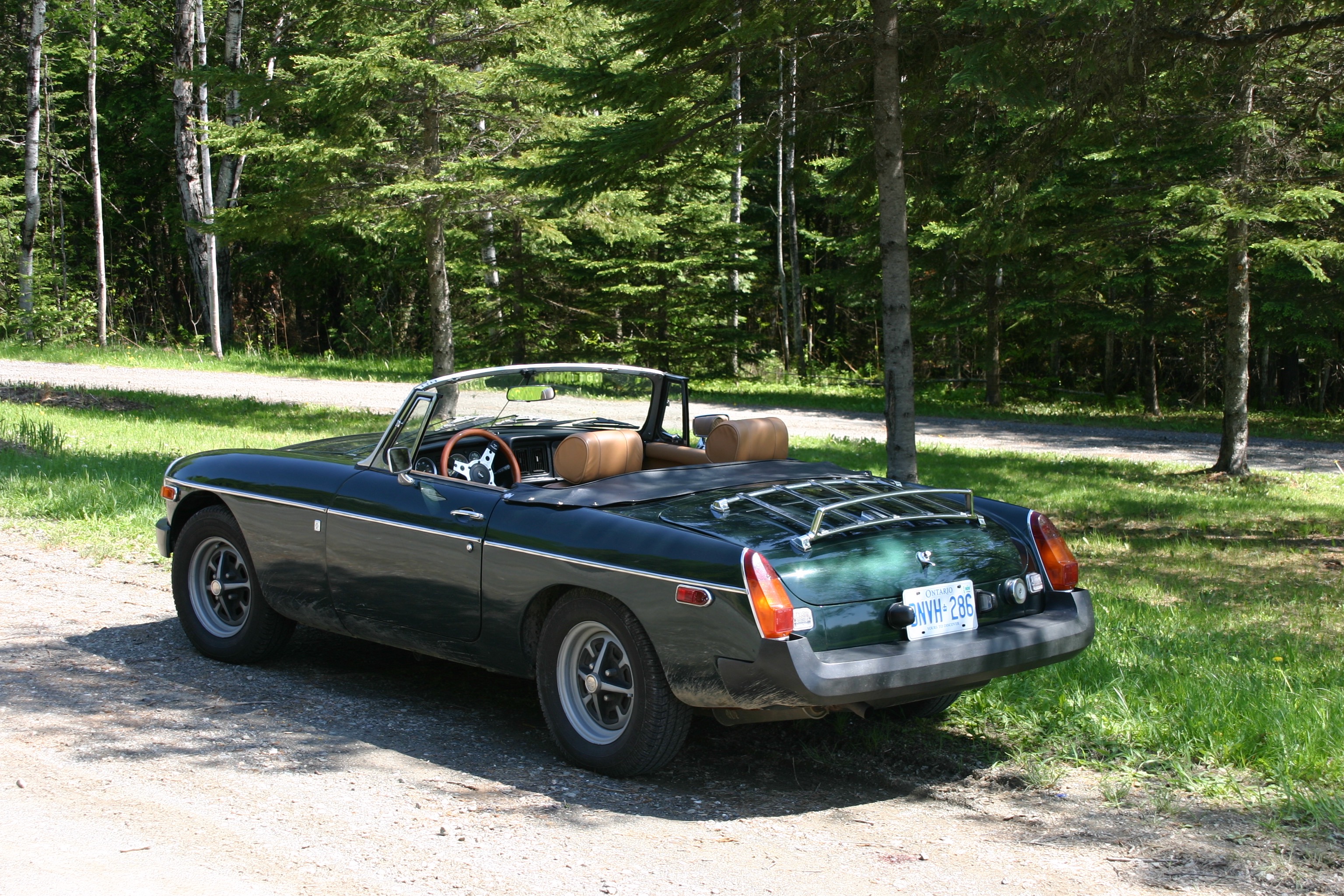
Chris and I have driven here in our MG, which I’m pleased and only slightly surprised to say made it the whole way here without a breakdown. But only because Chris can fix anything but a broken heart. (Well, actually, he can fix that, too.) The alternator stopped working a couple days ago, so Chris picked up a battery charger and carried it and the car battery up to our room each night. This morning the car is in the shop. We’re hoping the alternator can be repaired by the time we start the trip home on Friday, but if not, we’ll manage.

IMG_1765

We’ve put a lot of hours on the little car. On Wednesday, we set out from Waterloo, travelling northeast on the back roads. Chris is fine with driving a tiny sports car through Toronto traffic, but I’m not. Give me a North Atlantic gale any time. Ten hours later we were just south of Montreal, where we checked into a hotel and fell into bed exhausted.

Next morning, we were back in the car, driving along the south shore of the St. Lawrence to Quebec City. We arrived during evening rush hour (bad planning) and only just managed to find our way across the old bridge and through the construction below the Plains of Abraham to our hotel in the old city. But it was worth the effort. We spent the evening strolling the streets, stopping when necessary for a glass of beer, then enjoyed a quiet night in our favourite little boutique hotel on the waterfront. They put a basket of croissants and butter and jam outside your door in the morning. It just doesn’t get better than that.

IMG_1757

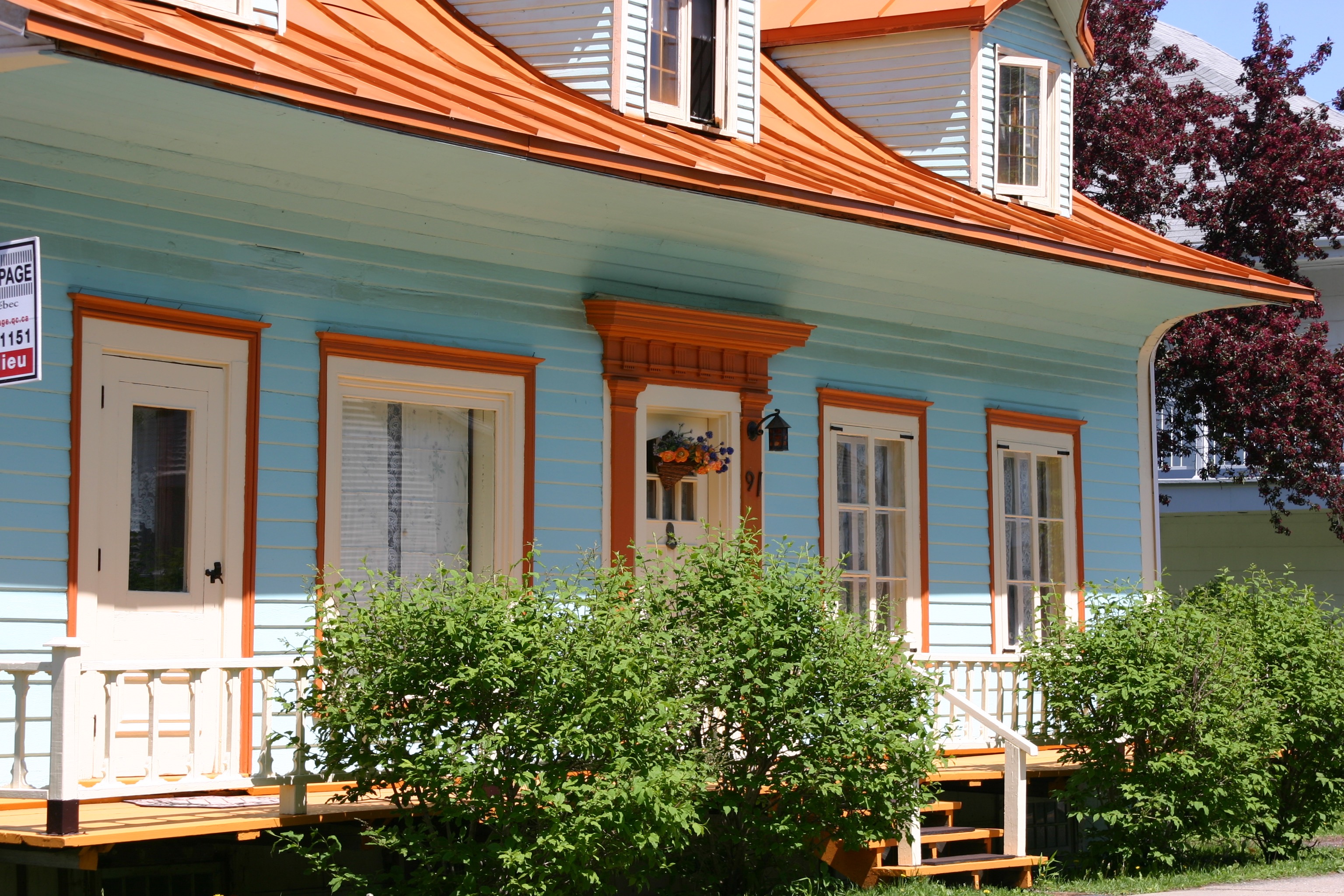
Friday we spent a leisurely day driving along the south shore of the river, through beautiful farm country and little towns, every one with a spectacular church (Chris wouldn’t stop at them all) and the most brightly painted houses I’ve ever seen. Amazing. We crossed into New Brunswick then headed south to Perth-Andover where we’d booked a room at an interesting-looking place called The Castle Inn.

IMG_1780

As we turned into the driveway, we saw a warning sign: “Kilts Ahead.” What could it mean? The woman at the desk explained that there was a gathering of the Scots there that weekend and warned us that things might get a bit loud. Sure enough, as we relaxed in our little sun porch, the unmistakable skirl of bagpipes filled the air and a full Scottish pipe band paraded onto the grass below our window. It was great. They performed for maybe half an hour before a man with a mace dis-MISSED them. There, we thought. That wasn’t so bad. Then the ceilidh began.

IMG_1799

The next morning, a little short on sleep, we drove through the thick forests of New Brunswick on some of the worst roads we’ve ever seen. Seriously. The logging trucks must pound them to pieces. There were so many potholes, it was impossible to avoid them, you just had to drive though them. Slowly. And hope that a logging truck wasn’t coming up behind you. But we rarely saw another vehicle (which should have told us something).

Next stop, Shediac and our first glimpse of the ocean (and first lobster dinner). Then yesterday, we drove through the rain and the fog to Saint John, where we’re spending the week while Chris is at a conference.

IMG_1732

This journey has been a sort of dry run for our next sailing adventure. We plan to sail out the St. Lawrence, spend some time sailing around the maritimes before we head out into the ocean. It’s been funny driving along the river, looking out, imagining ourselves out there on Monark. It’s a tricky river, very shallow in places, narrow channels, lots of rocks, big currents, huge tides. Makes Lake Ontario seem like a pond.

But we can do it. We travelled the length of the river a few summers ago in a three-masted schooner we were moving from New Brunswick to Goderich. If we can manage the river in a strange boat (and there’s nothing quite as strange as a 70-foot gaff-rigged schooner) surely we can manage it in our sturdy little sailboat.


My own private island

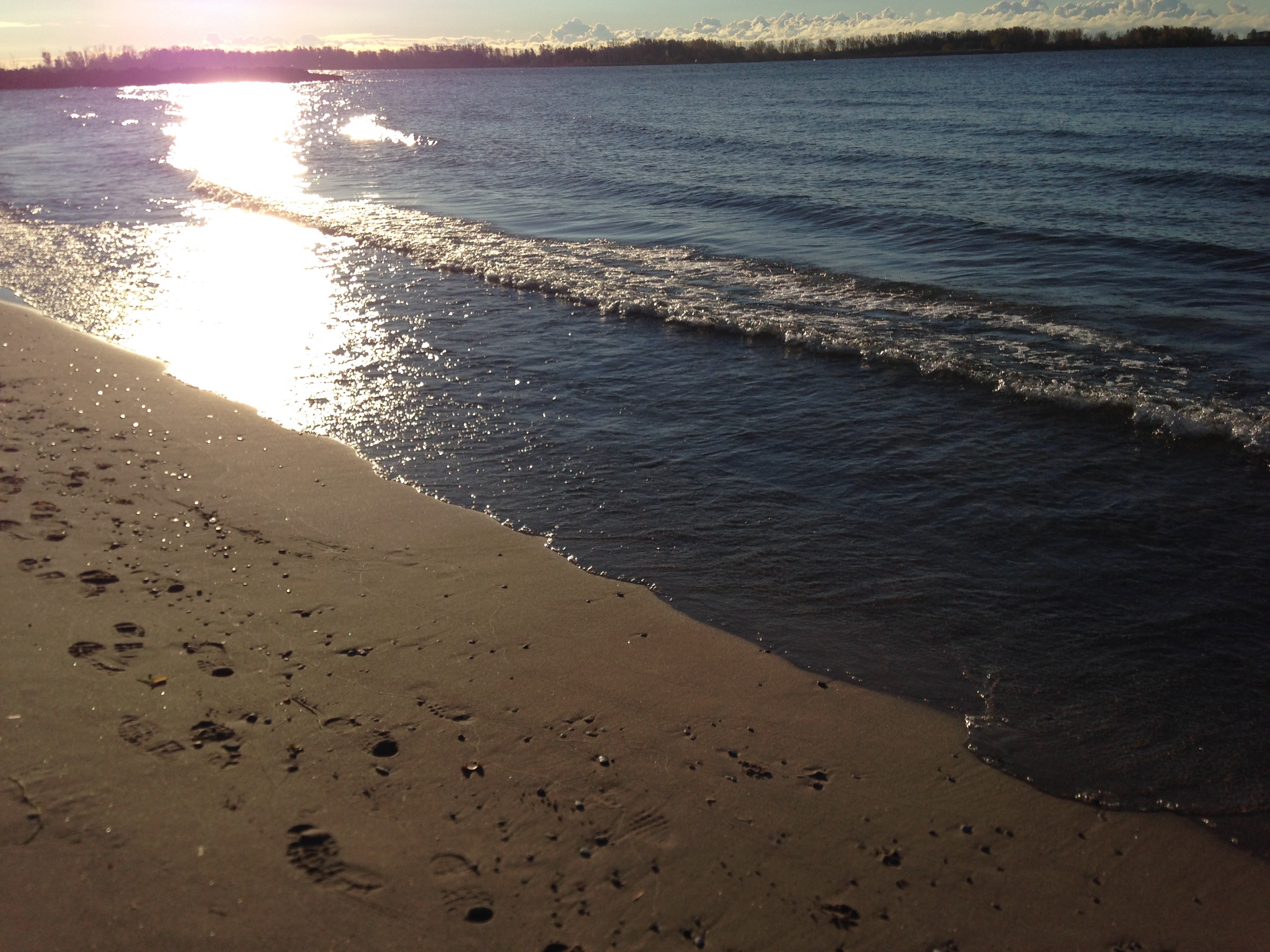
my private beachA flurry of activity—take the plastic cover off the boat, disassemble the wooden frame, stow it in the shed at Port Credit, load our winter fenders and electrical cords and ski jackets and water jugs and other things we won’t need on the island into the car, one last check, anything we missed? Then we undo the dock lines and sail away.

And now we’re here, on what feels like my own private island at this time of year. Well not exactly private—the people who live on the island have been here all along, of course, but there aren’t very many of them and they go about their day to day life in a quiet way. No throngs of day trippers yet, is what I mean.

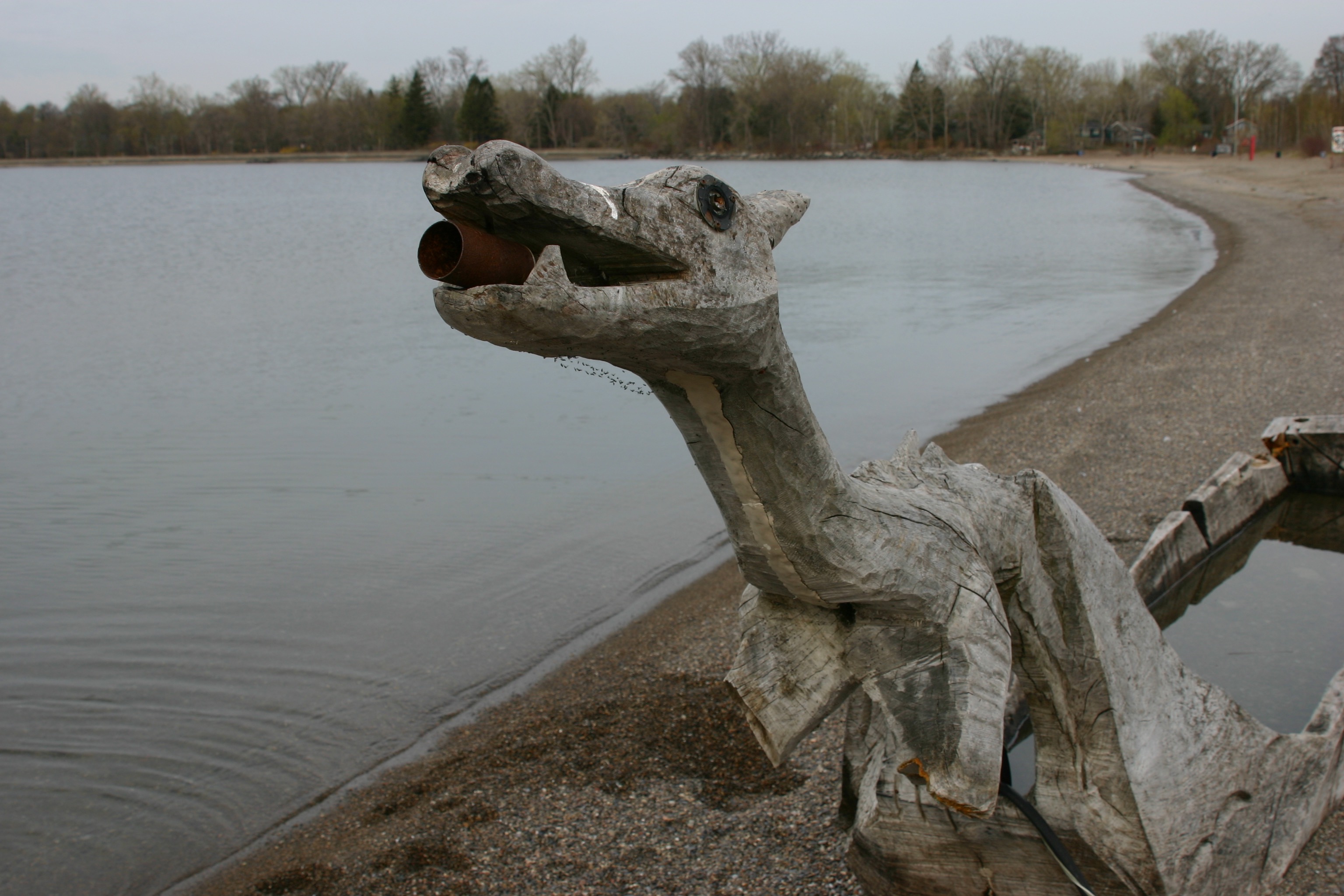
friendly dragon

In the early morning, I have the beach to myself. Well, actually, Bica and I share it with a dragon, but he’s a harmless enough creature, just sits there peacefully, looking out over the breakwater, remembering the days when could breathe fire, now long gone. Wishing he had his front legs back. I pat his head as we pass, he’s our old friend, been on the beach since we came to the island three years ago.

We’re not the only ones who are back. As we walk along the boardwalk I can hear the sounds of hundreds of cormorants scrapping for nesting spots across the channel on the Leslie Street Spit. Noisy creatures, and they have denuded the trees with their droppings. Not my favourite birds.

But some of my favourites are back already. Red-winged blackbirds, swallows, white-throated sparrows. This morning I heard a yellow warbler—not a yellow-coloured warbler, as so many of them are, but the species lucky enough to have been named yellow warbler. Clearly spring migration has started. Note to myself: don’t go walking without my binoculars.

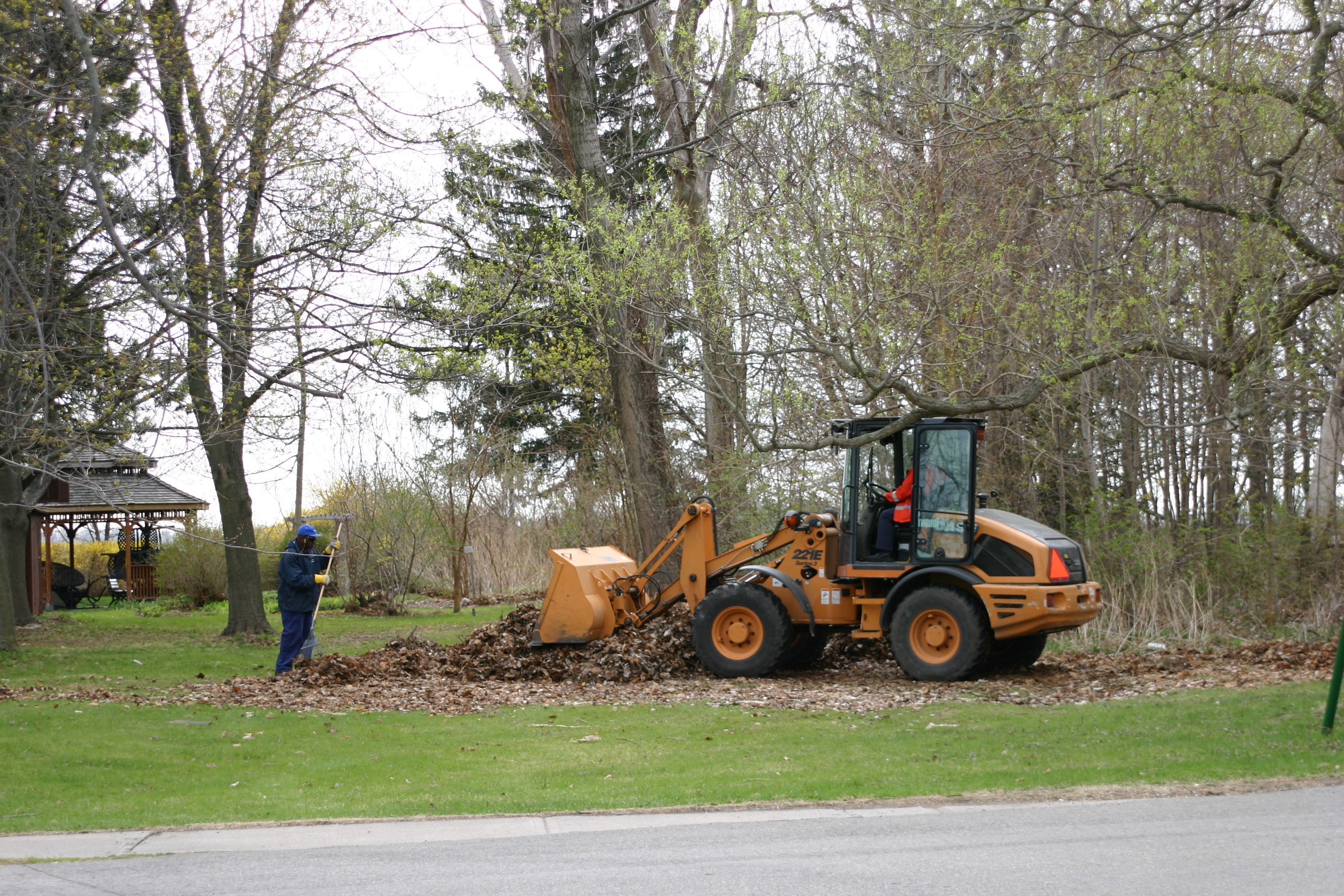
park workers

But I don’t need binoculars to see how the island is slowly cleaning itself up. Dead limbs disappear from trees, replaced by a neat pile of wood chippings. Dead leaves are suddenly just gone. Waste and recycling bins appear in convenient places. I know the park staff actually does this work, but Bica and I are out walking before they get started, so we just see the results of the previous day’s labour. It seems like magic.

spring slip

Overnight, carpets of blue flowers have suddenly sprung up and the forsythia has burst into flower. But I think I’m most excited to see the Island Café slowly reassembling itself. The patios are washed clean now, outdoor furniture has started to appear,  rhubarb is coming up in the garden. It can’t be long now before it opens and I can pick up a hot cup of coffee on the way back from my walk. And maybe a rhubarb muffin fresh from the oven.

I feel like I’ve come home.

Just plugging away

Plugging awayIt’s been a while since I’ve written here. I’ve been plugging away at boat chores—literally. As I mentioned last time, our big job this spring has been replacing the teak on the aft deck, which involves ripping out the old, thin teak and the plywood it was glued to with a crowbar, grinding and applying rust check to the now-exposed steel deck (a 20-year old steel deck on an ocean-going sailboat should never see the light of day…), then applying a thick layer of glue, carefully laying new teak boards down, and screwing them in place.

You may think that’s the end of it, but it isn’t. Then the real work begins. About a mile of painter’s tape has to be applied to the boards, black caulking squeezed evenly (with luck) into the seams between the boards, and when all of that is dry, the plugging begins.

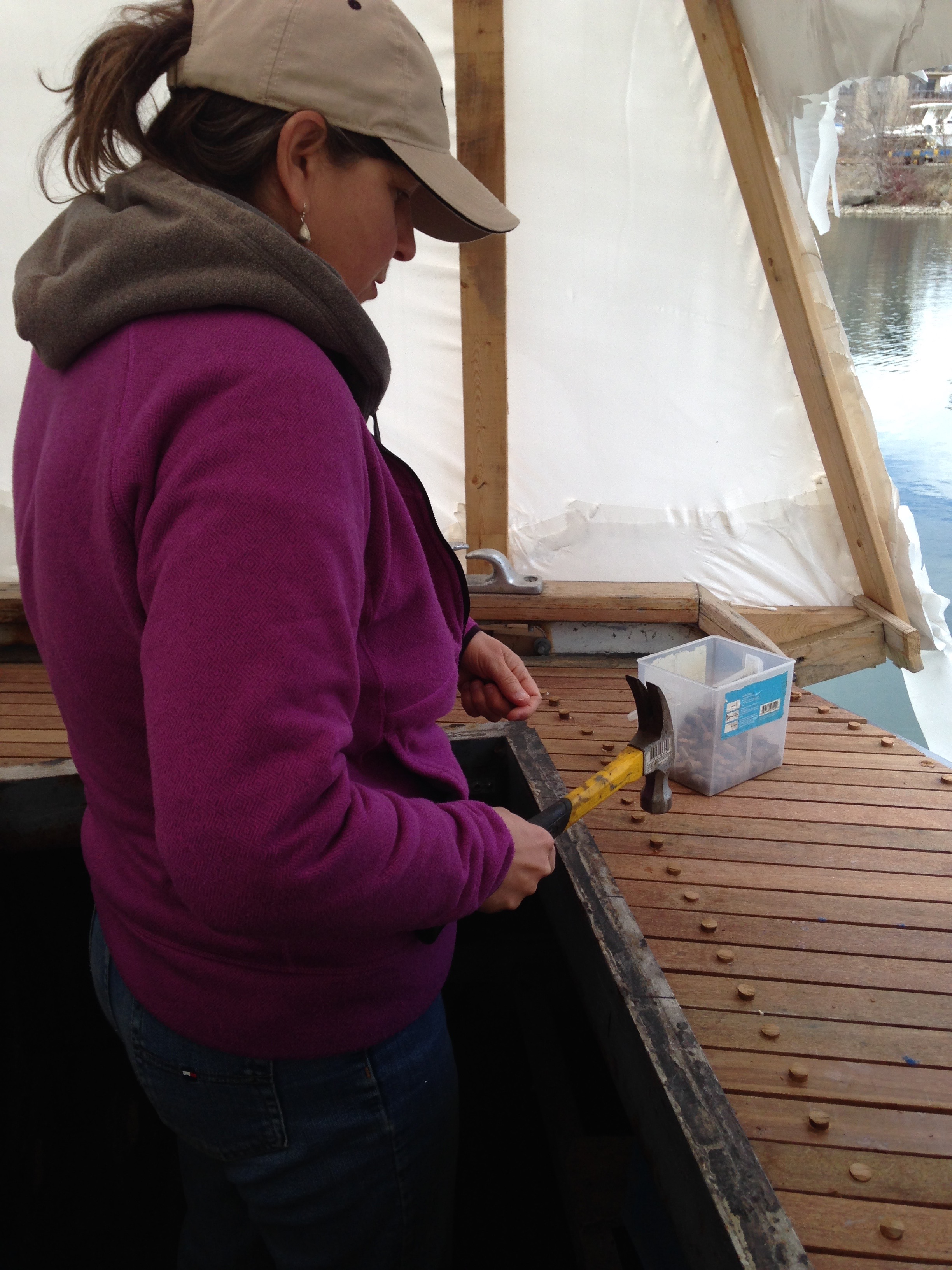
The screws that hold the deck down have been countersunk, and it’s my job to squeeze a little dibble of wood glue into each hole, tap a teak plug into it, and when it’s dry, saw the plug flush with the deck. Did I mention there are 207 plugs on the aft deck?

Sawing plugs

I actually like plugging the deck. It’s one of those jobs I can do completely on my own, at my own pace, pausing to watch a little pair of eared grebes swim past the stern of the boat, to watch the swan wars going on in the harbour. With great honking and flapping of wings, the males compete for the females, for the best nesting spots. It’s quite a show.

And I listen to the radio while I work. In fact, listening to pop music is a requirement when you’re doing boat work. Shut up and dance with me! As is drinking coffee. I stop from time to time, take a sip, look at the sky, admire my handiwork.

Although it’s snowing again today, just a bit, the sun shines between flurries and the harbour is now completely clear of ice. And the surest sign of spring? The water has been turned back on. We have to carry all the water we use through the winter, every bit of it. Filling the water tanks is a weekly chore neither of us particularly likes, but now the water is back on I can fill the water tanks with the hose whenever I feel like it. I’ll admit I’ve been using water with gay abandon, washing up the dishes after every meal rather than waiting until the end of the day, helping myself to steaming buckets of water to wash the windows, the floors. Such a luxury.

This weekend Chris’s sister is coming to help us take the cover off the boat and next week we hope to move the boat to Toronto Island. We’ve made it through another winter.